

Why Dog Training Classes Matter During Your Dog's Teenage Phase
Dog training classes help Rochester Hills, MI, pet owners build lasting communication skills with their dogs, and understanding the "teenage phase" is one of the most overlooked parts of that process. Many owners bring their dogs to puppy class, watch them thrive at 12 weeks old, and then feel completely lost six months later when the same dog starts ignoring every command. That backslide is not a training failure. It is biology, and knowing what drives it can make all the difference.
What Is the Canine Teenage Phase?
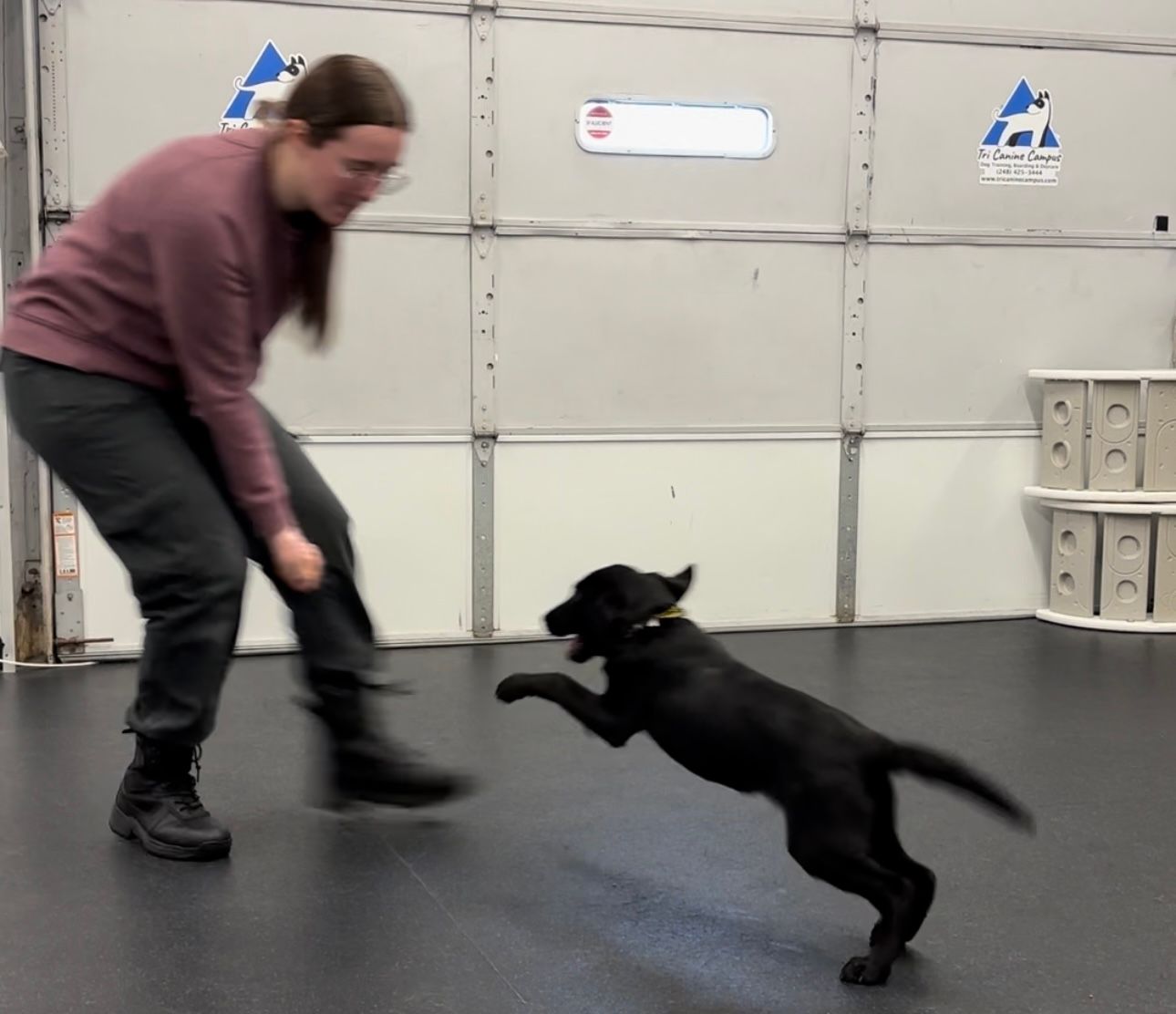
Between roughly 6 and 14 months of age, a dog's brain undergoes significant hormonal and neurological changes that can temporarily disrupt commands they already know. Surging hormones affect impulse control, and the developing brain may prioritize environmental smells, sounds, and sights over a familiar owner's voice. A dog that once made perfect eye contact and sat on cue may now act as if "sit" is a foreign language. This is a normal developmental window, not a personality flaw. A qualified dog trainer who understands adolescent behavior can help owners navigate this phase without losing the foundation they worked hard to build.
How Dog Training Classes Help During the Teenage Phase
Structured dog training classes are one of the most effective tools for managing adolescent regression. Small-group environments expose dogs to real-world distractions, which is exactly where teenage dogs fall apart. Learning to hold focus around other dogs, sounds, and movement teaches the brain to filter distraction and look to the owner for direction.
Two exercises are especially valuable during this window.
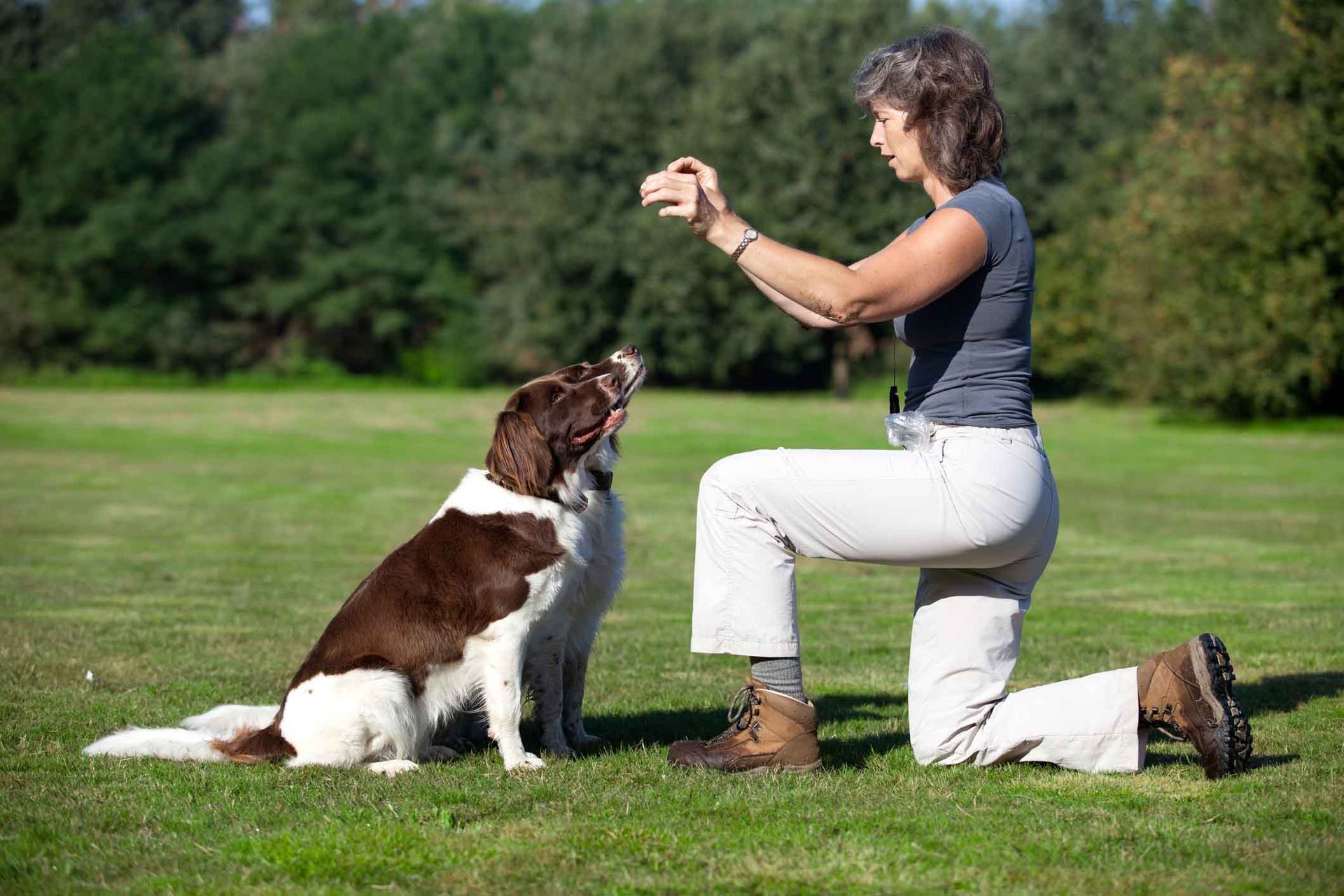
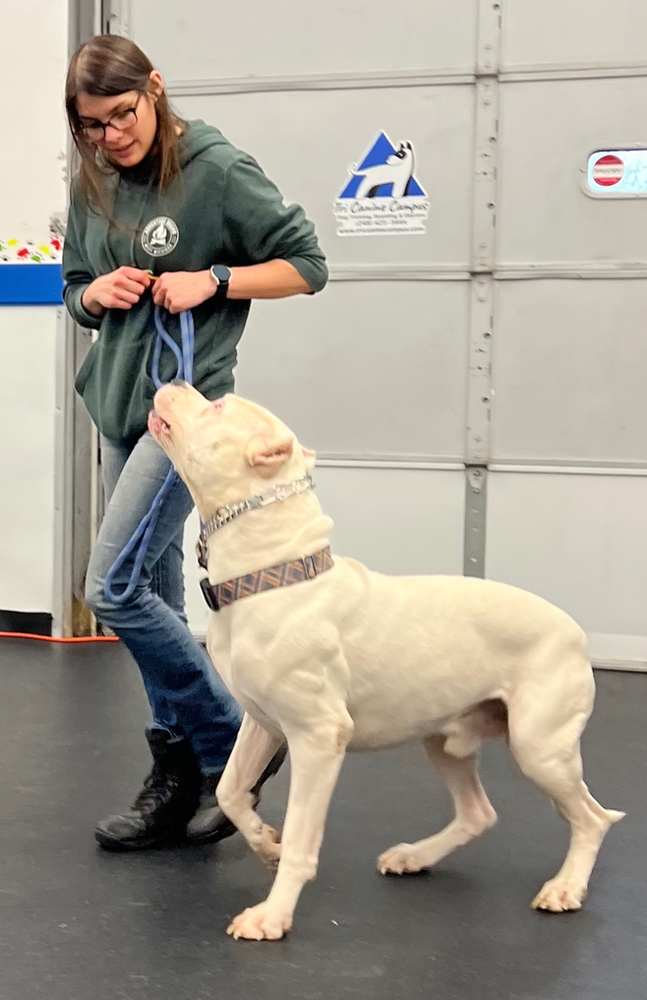
Focus work teaches a dog to make consistent eye contact on cue. When checking in earns a reward, that habit can override environmental distractions over time and help a teenage dog re-engage faster in high-stimulation settings like parks or busy streets.
"Leave it" and impulse control drills teach a dog to pause before acting on instinct, starting with low-stakes temptations and building toward busier environments. Self-regulation developed in a structured setting often carries over into daily life.
Both exercises work best when practiced consistently inside a class environment that simulates the distractions Rochester Hills, MI, dogs encounter every day.
Why Small-Group Settings Matter
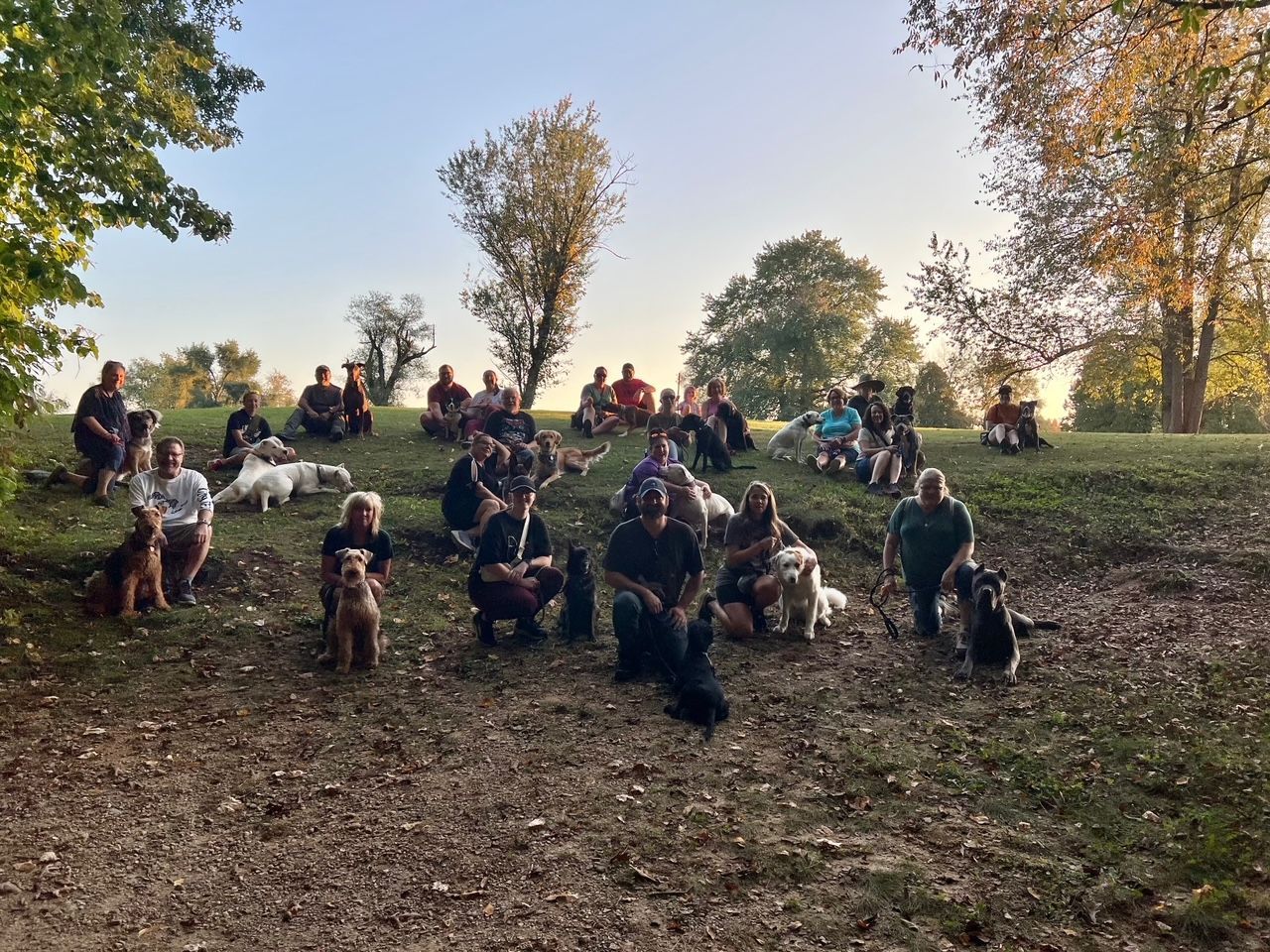
A small-group class creates just enough controlled pressure to challenge a teenage dog without overwhelming them. Dogs learn that other dogs, people, and movement are background noise and that their owner is the most relevant thing in the room. That dynamic is often what gets lost during adolescence, and structured classes can rebuild it.
What to Look for in a Dog Training Class for Teenage Dogs
Dog training classes designed for adolescent dogs should include distraction-proofing, impulse control work, and clear guidance on reinforcing commands at home. Consistency between the classroom and home is what makes progress stick. Explore the
dog training courses and
puppy training classes available to pet owners in Rochester Hills, MI, and surrounding communities.
Take the Next Step With Tri Canine Campus
Clarkston-based Tri Canine Campus proudly serves Rochester Hills, MI, with structured, small-group dog training classes for dogs at every stage of life, including the challenging teenage months. If your dog has started tuning you out or regressing on commands they once knew, professional support can get you back on track faster than training alone.
Contact the team to schedule an evaluation, or call
(248) 425-3444 to speak with a team member directly. You can also find
Tri Canine Campus on Google to read reviews and get directions.